

Australia rewards travelers who plan by region, not by a single base. Distances are huge, climates vary by state, and flight connections can save days. This guide maps 10 standout places across coasts, reefs, rainforest, and outback so you can build a realistic route instead of an exhausting checklist.
Use the sections to match each stop to your travel style, season, and transport options. You’ll find quick planning details on what each destination is best for, when to go, and how to get there, plus a local tip to help you avoid common first-time mistakes.
Sydney Harbour and Circular Quay

Sydney Harbour and Circular Quay in Sydney, New South Wales, are ideal for first-time visitors seeking iconic skyline views and classic Australia photos, with the Opera House, Harbour Bridge, and vibrant waterfront all in one walkable area. Spend time on waterfront walks, explore The Rocks, and ride ferries for changing harbor perspectives; for the best-value highlight, take the public Manly Ferry at sunset for sweeping views at a fraction of cruise prices. Visit in September-November or March-May for pleasant weather, and use the train from Sydney Airport to Circular Quay, which takes about 25 minutes.
| Best for | First-time visitors, skyline views, iconic photos |
|---|---|
| Location | Sydney, New South Wales |
| Best time | September-November or March-May |
| Access | Train to Circular Quay from Sydney Airport (about 25 min) |
Additional Info: Take the public Manly Ferry at sunset for harbor views at a fraction of cruise prices.
Great Barrier Reef (Cairns and Port Douglas)
The Great Barrier Reef, reached via Cairns and Port Douglas in Tropical North Queensland, is one of Australia’s top spots for snorkeling, diving, and close encounters with marine wildlife. Guided day trips take you to vibrant coral gardens where you can swim beside turtles, reef sharks, and schools of tropical fish, with options for both first-timers and certified divers. For the best conditions, visit from June to October during the dry season, when seas are calmer and water is typically clearer. Fly into Cairns, then join reef boats from Cairns or Port Douglas marinas—ideally with operators that go to outer reefs and include marine biologist briefings.
| Best for | Snorkeling, diving, marine wildlife |
|---|---|
| Location | Tropical North Queensland |
| Best time | June-October (dry season, clearer water) |
| Access | Fly to Cairns; join reef boats from Cairns or Port Douglas marinas |
Additional Info: Choose operators that visit outer reefs and include marine biologist briefings for better visibility and context.
Daintree Rainforest and Cape Tribulation
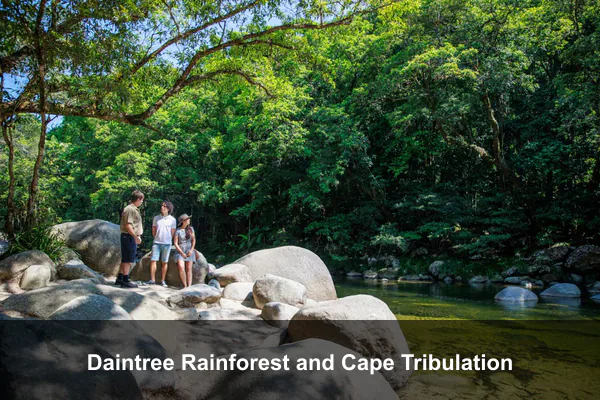
Daintree Rainforest and Cape Tribulation, north of Cairns in Queensland, is one of Australia’s most rewarding tropical escapes, where ancient rainforest trails meet crocodile-spotting cruises on the Daintree River and windswept beaches where jungle reaches the sea. It is best for rainforest hikes, wildlife encounters, and scenic drives, with lookouts and boardwalks revealing cassowaries, mangroves, and dramatic coastline. The most comfortable visiting season is May to September, when conditions are drier and cooler for walking and road trips. You can self-drive via Mossman and the Daintree Ferry, or join a day tour from Cairns or Port Douglas; arrive at the ferry early to avoid long midday queues.
| Best for | Rainforest hikes, wildlife, scenic drives |
|---|---|
| Location | North of Cairns, Queensland |
| Best time | May-September |
| Access | Self-drive via Mossman and Daintree Ferry; tours from Cairns/Port Douglas |
Additional Info: Arrive at the Daintree Ferry early in the day to avoid long midday queues.
Uluru-Kata Tjuta National Park
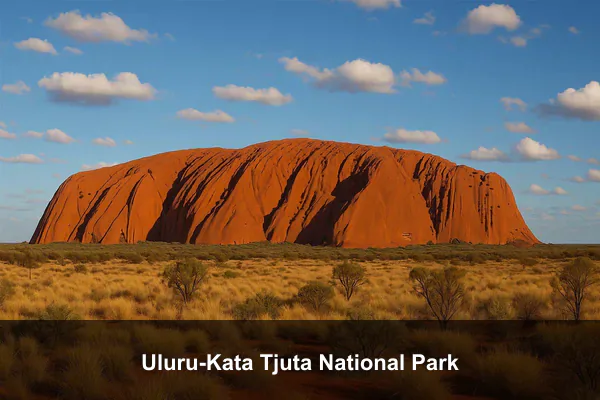
Uluru-Kata Tjuta National Park, in the Red Centre of the Northern Territory, is one of Australia’s most compelling destinations for outback landscapes, living Indigenous culture, and dramatic sunrise and sunset views across sacred desert monoliths. Visit for a sunrise walk around Uluru, hike among the domes of Kata Tjuta, and join cultural interpretation experiences to better understand Anangu stories and connection to Country. The best travel window is April to October for milder conditions. Access is straightforward: fly to Ayers Rock Airport in Yulara, then continue by shuttle or rental car. Reserve sunrise tours and cultural activities early, as limited places fill quickly in peak months.
| Best for | Outback landscapes, Indigenous culture, sunrise/sunset |
|---|---|
| Location | Red Centre, Northern Territory |
| Best time | April-October |
| Access | Fly to Ayers Rock Airport (Yulara); shuttle or rental car |
Additional Info: Reserve popular sunrise and cultural experiences early, as limited spots fill quickly in peak months.
Kakadu National Park
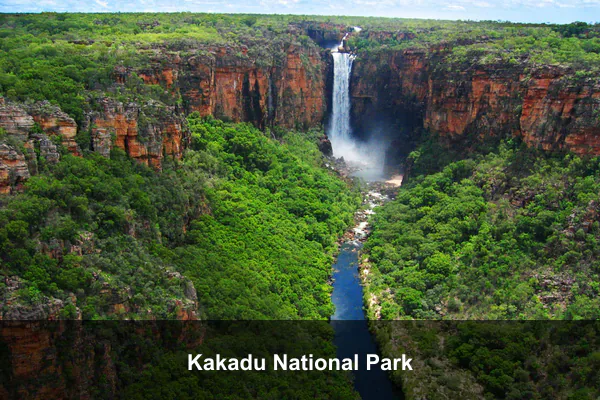
Kakadu National Park, east of Darwin in the Northern Territory, is one of Australia’s standout nature escapes, where vast wetlands attract prolific birdlife, ancient Aboriginal rock art sites like Ubirr and Nourlangie reveal deep cultural history, and dramatic escarpment lookouts deliver unforgettable sunset views. The best time to visit is May to October, when conditions are generally drier and easier for exploring. Plan a day around birdwatching, a wetlands cruise, and key rock art walks to experience the park’s core highlights. Access is straightforward by car, with a drive of about three hours from Darwin to Jabiru; in shoulder seasons, check park road and site alerts daily, as rain can rapidly change road and site access.
| Best for | Birdwatching, rock art, wetlands cruises |
|---|---|
| Location | East of Darwin, Northern Territory |
| Best time | May-October |
| Access | Drive from Darwin (about 3 hours to Jabiru) |
Additional Info: Check park road and site alerts daily in shoulder seasons because conditions can change rapidly after rain.
Great Ocean Road and the Twelve Apostles
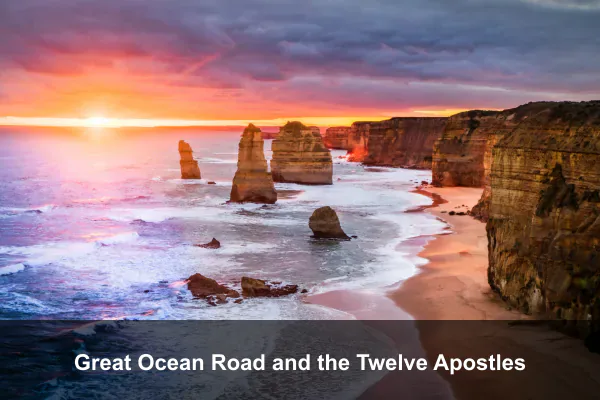
Great Ocean Road and the Twelve Apostles offer one of Australia’s most unforgettable coastal journeys, tracing Victoria’s southwest coast past sheer cliffs, surf towns, and dramatic sea stacks that are perfect for viewpoints and photography. Come for the road-trip rhythm: pull over at ocean lookouts, stroll clifftop paths, explore small beach communities, and watch the light shift across the limestone pillars. November to April is the best time to go, with warmer weather and longer daylight for scenic stops. You can self-drive easily from Melbourne or join a day or overnight tour if you prefer a guided route. For the most rewarding Apostles visit, stay overnight near Port Campbell and arrive at dawn before the major tour groups reach the boardwalks.
| Best for | Coastal road trips, viewpoints, photography |
|---|---|
| Location | Victoria's southwest coast |
| Best time | November-April |
| Access | Self-drive from Melbourne or join day/overnight tours |
Additional Info: Overnight near Port Campbell to see the Twelve Apostles at dawn before major tour groups arrive.
Melbourne Laneways and Queen Victoria Market

Melbourne’s central CBD in Victoria is where Australia’s coolest urban culture comes alive: sip third-wave coffee in hidden laneway cafes, follow bold street-art murals through Hosier Lane and nearby alleys, then taste your way through Queen Victoria Market’s local produce and ready-to-eat stalls. Visit the market early to get the freshest selection and shorter food lines. Best in March-May or September-November, this area is easy to explore using trams, trains, and walkable grid streets, making it a perfect base for travelers who care most about coffee culture, street art, and local food.
| Best for | Coffee culture, street art, local food |
|---|---|
| Location | Central Melbourne, Victoria |
| Best time | March-May or September-November |
| Access | Tram, train, and walking routes across the CBD grid |
Additional Info: Visit Queen Victoria Market early for the best produce selection and shorter food stall lines.
Ningaloo Reef and Exmouth
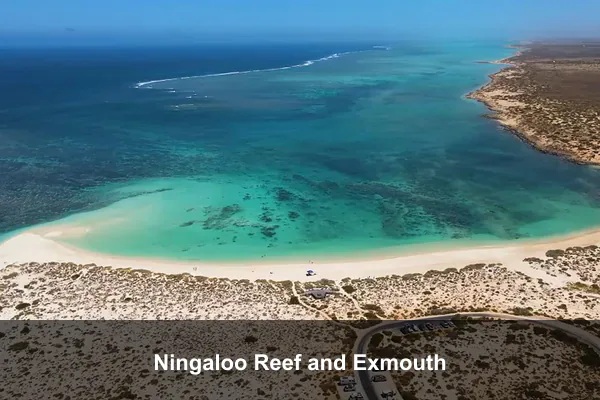
On Western Australia’s Coral Coast, Ningaloo Reef and Exmouth are ideal for travelers seeking whale sharks, easy snorkeling, and reefs that feel blissfully uncrowded. Unlike many reef destinations, you can step straight from the beach into clear water to spot coral gardens, turtles, and rays, then join a seasonal tour to swim alongside whale sharks from March to July; humpback encounters continue from August to October. For access, fly into Learmonth Airport or self-drive from Perth. Before booking any whale shark trip, confirm the operator includes spotter-plane support to locate animals responsibly and maximize your in-water time.
| Best for | Whale sharks, snorkeling, uncrowded reefs |
|---|---|
| Location | Coral Coast, Western Australia |
| Best time | March-July (whale sharks), August-October (humpbacks) |
| Access | Fly to Learmonth Airport or self-drive from Perth |
Additional Info: Confirm your boat operator includes spotter-plane support before booking a whale shark tour.
Kangaroo Island
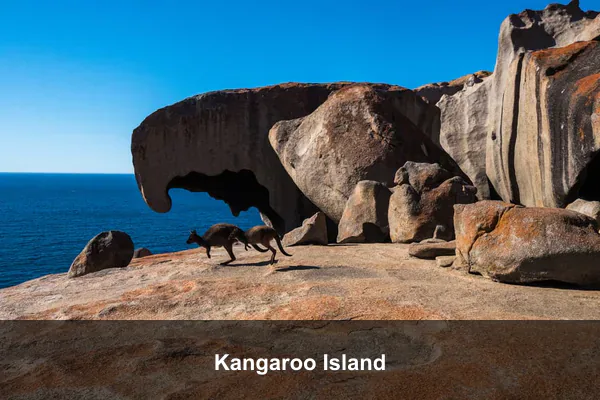
Kangaroo Island, in South Australia southwest of Adelaide, is one of the best places to combine wildlife encounters, rugged coastlines, and farm-gate food in a single escape. Visit nature reserves to spot kangaroos, koalas, sea lions, and abundant birdlife, then explore dramatic cliffs, wild beaches, and artisan producers serving local honey, seafood, and wine. The island is accessed by ferry from Cape Jervis or by flight from Adelaide, and the best time to go is October to April for warmer, more reliable conditions. If you plan to drive, top up fuel whenever possible outside main towns, since remote stations may close early.
| Best for | Wildlife encounters, nature reserves, farm-gate food |
|---|---|
| Location | South Australia, southwest of Adelaide |
| Best time | October-April |
| Access | Ferry from Cape Jervis or flight from Adelaide |
Additional Info: Top up fuel whenever possible outside main towns, since remote stations may close early.
Freycinet National Park and Wineglass Bay
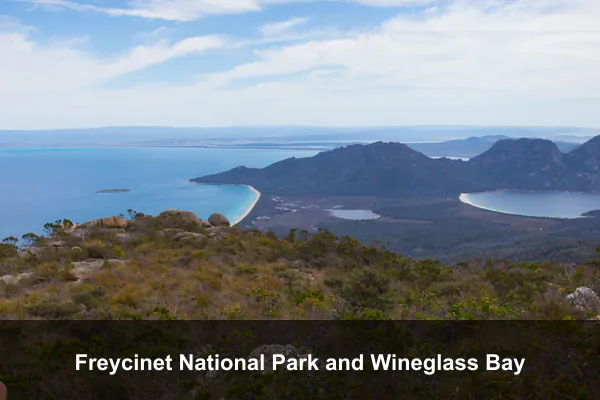
On Tasmania’s east coast, Freycinet National Park and Wineglass Bay combine pink-granite peaks, clear water, and some of Australia’s best coastal walking, making them perfect for day hikes, beach views, and Tasmania add-on trips. Tackle the Wineglass Bay lookout walk early for cooler weather and easier parking, then continue to nearby beaches or longer peninsula trails. After hiking, reward yourself with fresh Tasmanian seafood in local towns. The best time to visit is December to March, and access is easiest by self-drive, about 2.5 hours from either Hobart or Launceston.
| Best for | Day hikes, beach views, Tasmania add-on trips |
|---|---|
| Location | East Coast, Tasmania |
| Best time | December-March |
| Access | Self-drive about 2.5 hours from Hobart or Launceston |
Additional Info: Start the Wineglass Bay lookout walk early for cooler weather and easier parking.
Tips Before You Go
Book domestic flights, reef trips, and national park stays early, especially during Australian school holiday periods such as December-January and Easter. For multi-region trips, prioritize two or three zones and leave buffer days for weather shifts, long drives, or schedule changes.
Pack for mixed conditions: high-UV sun protection is essential year-round, while southern regions can be cool at night. Check park alerts, marine safety advice, and road conditions before each move, and follow local conservation and Indigenous site guidelines throughout your trip.
