
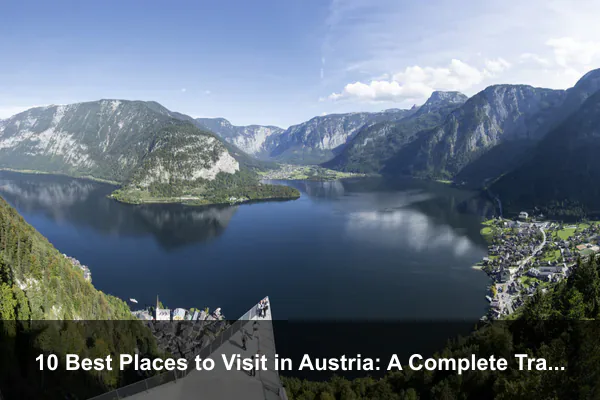
Austria rewards travelers who mix grand cities with mountain landscapes, and this plan is built to help you do both without wasting transit time. It prioritizes places that are genuinely distinct from one another, from imperial boulevards and baroque old towns to glacier viewpoints and thermal spa valleys.
The itinerary angle is practical: rail-friendly bases, one iconic alpine road, and seasonal notes so you can choose between summer hiking, shoulder-season city breaks, or winter sports. Use these 10 sections as modular stops you can combine into a 7- to 14-day Austria trip.
Vienna Historic Center and Ringstrasse
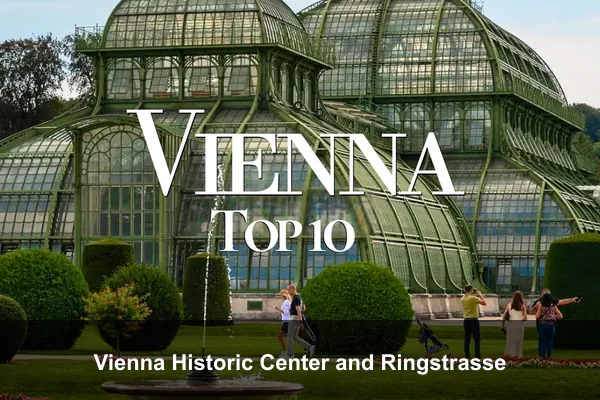
Vienna’s Historic Center and Ringstrasse are ideal for first-time visitors wanting imperial landmarks, world-class museums, and classic cafe culture in one walkable district. Base yourself in the inner city to stroll between Hofburg, St. Stephen’s Cathedral, and museum institutions along the boulevard, then pause at traditional coffeehouses between palace visits. In Vienna, eastern Austria, the most pleasant seasons are April–June and September–October, when temperatures suit long city walks. For practical access, fly into Vienna or arrive by rail at Wien Hbf, then use the U-Bahn and trams 1 and 2 to move quickly around the Ringstrasse loop. Start that loop after 4 pm, when central streets and museum areas are typically less crowded.
| Best for | First-time visitors, imperial landmarks, museums |
|---|---|
| Location | Vienna, eastern Austria |
| Best time | Apr-Jun and Sep-Oct |
| Access | Fly or rail to Wien Hbf; U-Bahn plus trams 1/2 |
Additional Info: Start the Ringstrasse loop after 4 pm when central streets and museum areas are less crowded.
Salzburg Altstadt and Hohensalzburg Fortress
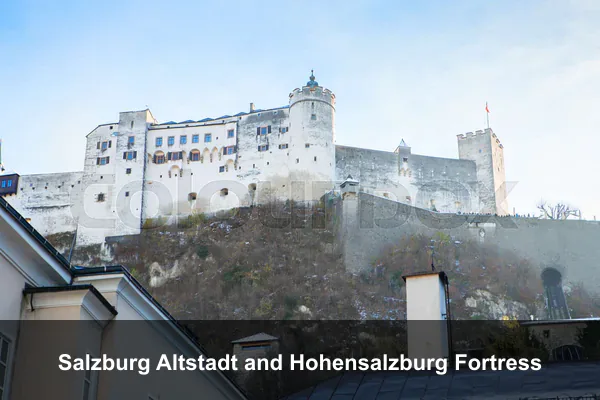
Salzburg Altstadt, near Austria’s German border, is one of the country’s most rewarding stops for Baroque streets, classical music heritage, and sweeping fortress views. Wander the UNESCO-listed lanes around Getreidegasse, visit Mozart-related sights, then ride up to Hohensalzburg Fortress for panoramic views over church domes and the Alps. The city feels especially pleasant in May–June and again from September to December, when festivals and winter markets add atmosphere. For easy logistics, arrive by rail at Salzburg Hbf, then reach Altstadt by bus or on foot, and use the fortress funicular for the climb. A Salzburg Card is a smart buy, covering the funicular and city transport in one pass.
| Best for | Baroque streets, classical music, fortress views |
|---|---|
| Location | Salzburg, near the German border |
| Best time | May-Jun and Sep-Dec |
| Access | Rail to Salzburg Hbf; bus/walk to Altstadt and funicular |
Additional Info: A Salzburg Card can cover the fortress funicular and city transport in one pass.
Hallstatt Old Town and Salzwelten Skywalk
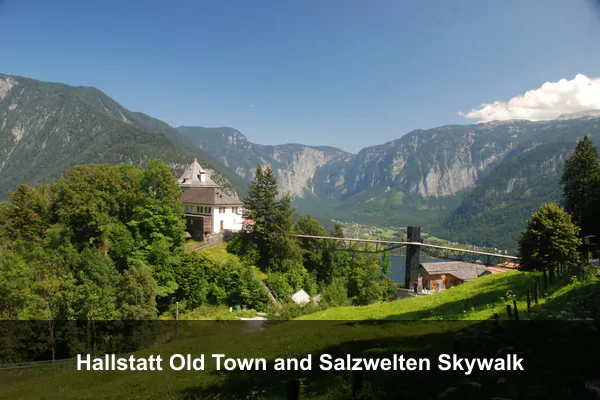
Hallstatt Old Town and the Salzwelten Skywalk combine Austria’s most iconic lakeside scenery with deep salt-mining heritage in Hallstatt, Salzkammergut, Upper Austria. Wander the UNESCO-listed village lanes, photograph pastel houses reflected on Hallstätter See, then head up to Salzwelten for panoramic views and stories from one of the world’s oldest salt cultures. This stop is best for travelers who want postcard beauty and history in one compact destination. Visit in May–June or September–October for mild weather and lighter crowds. The easiest route is train to Hallstatt station, then the short ferry crossing to town, and staying overnight is highly recommended since day-trip crowds drop sharply after late afternoon.
| Best for | Lakeside scenery, UNESCO village, salt history |
|---|---|
| Location | Hallstatt, Salzkammergut, Upper Austria |
| Best time | May-Jun and Sep-Oct |
| Access | Train to Hallstatt station, then ferry across the lake |
Additional Info: Stay overnight if possible, since day-trip crowds drop sharply after late afternoon.
Wachau Valley (Melk to Durnstein)
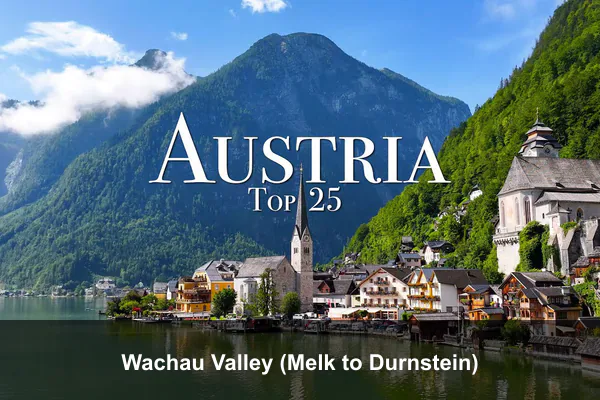
Wachau Valley, the classic Danube stretch between Melk and Krems, is one of Austria’s most rewarding trips, pairing hilltop abbeys, terraced vineyards, and riverside towns like Durnstein. It is best for wine villages, monastery visits, cycling, and easy river cruises: tour Melk Abbey, taste local whites in taverns, then follow the bike path past orchards and castle ruins. A smart plan is to ride one Danube bank by bike and return by boat for different valley views on the way back. Access is simple by rail from Vienna to Melk or Krems, with bikes and boats available in season. For the best weather and harvest atmosphere, go in Apr-Jun or Sep-Oct.
| Best for | Wine villages, abbeys, cycling and river cruises |
|---|---|
| Location | Danube Valley between Melk and Krems |
| Best time | Apr-Jun and Sep-Oct |
| Access | Rail from Vienna to Melk/Krems; bikes and boats in season |
Additional Info: Ride one Danube bank by bike and return by boat for changing valley views.
Innsbruck Nordkette Cable Car Experience
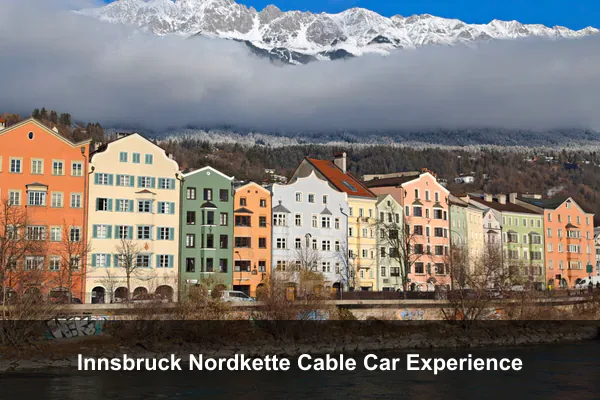
Innsbruck’s Nordkette Cable Car experience is one of Austria’s quickest mountain adventures: from the city center, you can reach dramatic high-alpine viewpoints in under an hour. It is best for travelers who want fast mountain access, scenic hiking, and winter panoramas without a long transfer. Arrive by rail at Innsbruck Hbf, then connect via the Hungerburgbahn and Nordkette lifts to move from urban streets to rugged Tyrolean peaks. Visit June to September for trail days and clear ridge views, or December to March for snowy scenery and a classic alpine feel. Before buying the full top-station ticket, check summit wind and cloud cameras so conditions match your plan.
| Best for | Fast mountain access, hiking, winter scenery |
|---|---|
| Location | Innsbruck, Tyrol |
| Best time | Jun-Sep for hikes, Dec-Mar for snow |
| Access | Rail to Innsbruck Hbf; Hungerburgbahn and Nordkette lifts |
Additional Info: Check summit wind and cloud cameras before buying the full top-station ticket.
Grossglockner High Alpine Road and Franz-Josefs-Hohe
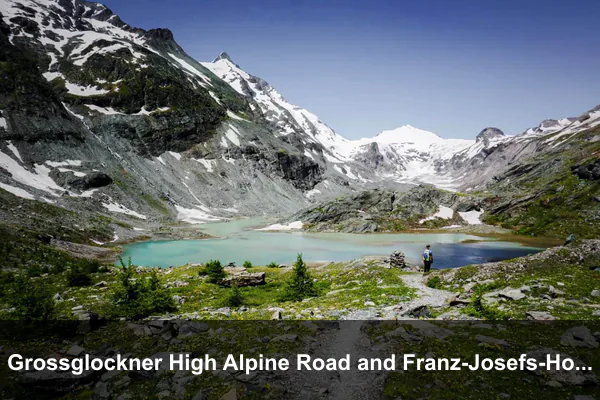
Grossglockner High Alpine Road and Franz-Josefs-Hohe deliver one of Austria’s most thrilling mountain drives, with dramatic switchbacks, panoramic High Tauern scenery, and standout glacier lookouts that are ideal for alpine photography. Following the route from Bruck to Heiligenblut, you can stop at viewpoints, short walking trails, and the Franz-Josefs-Hohe terrace for close views of the Pasterze Glacier and surrounding peaks. This destination is best visited from late May to October, when the seasonal road is open; outside this window, snow closures are common. Access is easiest by rental car, though guided tours from the Zell am See side are a practical option if you prefer not to drive. For the clearest mountain views, enter early before typical afternoon cloud build-up.
| Best for | Scenic driving, alpine photography, glacier lookouts |
|---|---|
| Location | High Tauern route from Bruck to Heiligenblut |
| Best time | Late May-Oct (seasonal road opening) |
| Access | Best by car or guided tour from Zell am See side |
Additional Info: Enter early in the day for clearer peaks before afternoon cloud build-up.
Eisriesenwelt Ice Cave in Werfen
Eisriesenwelt Ice Cave in Werfen, in Austria’s Salzburg region, is a thrilling Alpine adventure where enormous frozen chambers and sculpted ice formations feel like a natural cathedral. It is ideal for adventure travelers and geology fans, and a perfect summer cool-down when valley temperatures rise. Visit between May and October, when the cave is open, and plan a full outing: take the train to Werfen, continue by shuttle or bus, ride the cable car, then follow the uphill walk to the entrance. Inside, guided tours lead you through dramatic icy halls, so bring gloves and a warm layer, as temperatures stay near freezing year-round.
| Best for | Adventure travelers, geology fans, summer cooling |
|---|---|
| Location | Werfen, Salzburg region |
| Best time | May-Oct (cave season) |
| Access | Rail to Werfen, shuttle/bus, cable car, then uphill walk |
Additional Info: Bring gloves and a warm layer, since cave temperatures stay near freezing.
Zell am See-Kaprun and Kitzsteinhorn Glacier
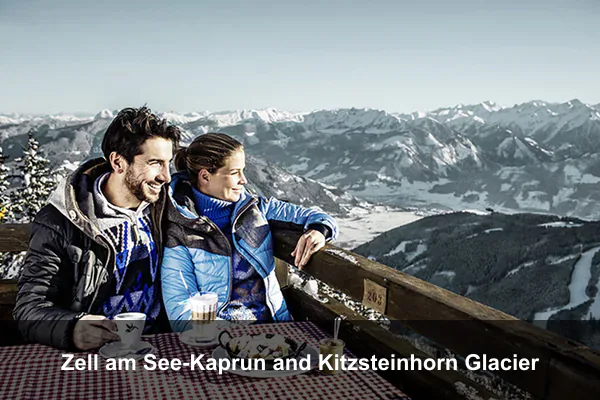
Zell am See-Kaprun in Salzburg state is ideal for travelers who want lake-and-mountain variety in one easy base: spend mornings swimming, boating, or strolling the lakefront in Zell am See, then head to Kaprun for a high-alpine trip on Kitzsteinhorn Glacier. In summer (July to September), trails and viewpoints open for scenic hikes; in winter (December to March), the region shifts into classic ski season with glacier views year-round. Non-skiers are well catered for too, with glacier sightseeing tickets to summit platforms and exhibits. Getting there is straightforward: take the train to Zell am See, then continue to Kaprun lifts by bus 660 or taxi.
| Best for | Lake-and-mountain trips, glacier views, mixed activities |
|---|---|
| Location | Kaprun and Zell am See, Salzburg state |
| Best time | Year-round; Jul-Sep hiking, Dec-Mar ski season |
| Access | Rail to Zell am See; bus 660 or taxi to Kaprun lifts |
Additional Info: Non-skiers can book glacier sightseeing tickets for summit platforms and exhibits.
Graz Old Town and Schlossberg
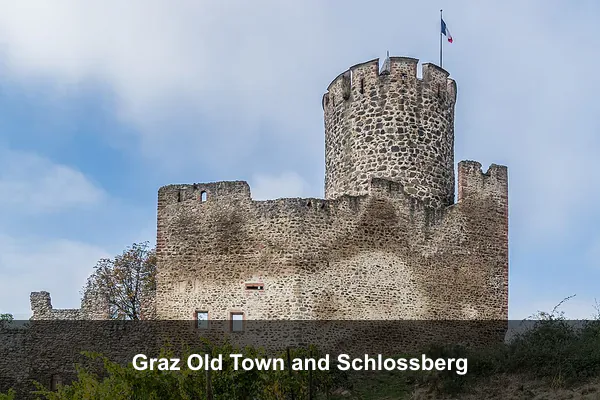
Graz Old Town and Schlossberg deliver Austria’s most creative city-break mix: Renaissance courtyards, red-roof lanes, and a lively food scene packed into a walkable core in Graz, Styria. Spend the day drifting between Landhaus arcades, design-forward cafes, and farmers’ market bites, then head up Schlossberg for panoramic views over church spires and tiled rooftops. For the best skyline photo sequence, take the Schlossberg funicular up and walk down through the gardens and stairways at golden hour. Travel is easy: arrive by rail at Graz Hbf, then reach the old town by a short tram ride or on foot. Plan your visit in Apr-Jun or Sep-Oct for pleasant weather and fewer crowds.
| Best for | Architecture, food scene, compact city breaks |
|---|---|
| Location | Graz, Styria |
| Best time | Apr-Jun and Sep-Oct |
| Access | Rail to Graz Hbf; tram or walk to old town core |
Additional Info: Take the funicular up and walk down for the best skyline photo sequence.
Bad Gastein Thermal Spa Valley
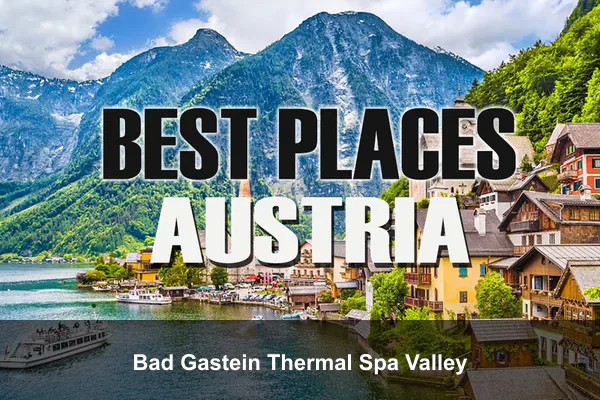
Bad Gastein in Salzburg state is perfect for travelers who want active mountain days and classic Austrian thermal culture in one trip: hike the valley and panoramic trails in Jun-Sep, or combine skiing with restorative hot-spring baths in Dec-Mar. The dramatic gorge setting, grand historic hotels, and modern spa complexes make it a top pick for spa stays, valley hikes, and ski-and-relax holidays. Getting there is simple with direct rail to Bad Gastein station, then local buses and lifts connecting you to trailheads, slopes, and wellness centers. Pack swimwear year-round, since evening thermal sessions are a beloved local ritual.
| Best for | Spa stays, valley hikes, ski-and-relax trips |
|---|---|
| Location | Bad Gastein, Salzburg state |
| Best time | Jun-Sep for hiking, Dec-Mar for snow |
| Access | Direct rail to Bad Gastein station; local buses and lifts |
Additional Info: Pack swimwear year-round, as evening thermal sessions are a local ritual.
Tips Before You Go
Book major mountain experiences early, especially Grossglockner drives, Hallstatt slots, and glacier cable cars during weekends and holidays. For efficient routing, pair city stops with nearby alpine regions: Vienna plus Wachau, Salzburg plus Hallstatt/Werfen, and Innsbruck or Zell am See for high-mountain days.
Pack for microclimates: city afternoons can be warm while summits and caves stay cold. A light layering system, advance train reservations for long legs, and a flexible weather backup day will make your Austria trip smoother and more cost-effective.
