
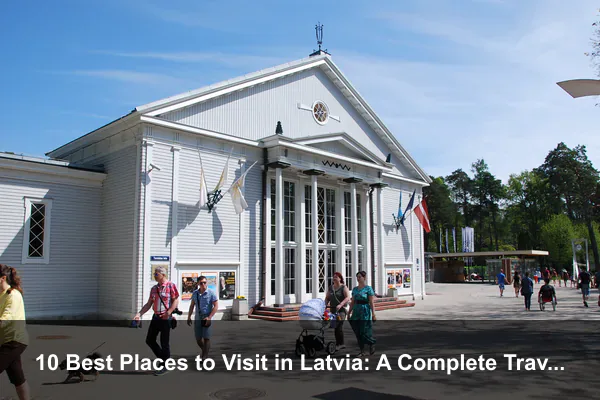
Latvia is compact enough to combine city breaks, castle towns, bog trails, and Baltic beaches in one trip, making it ideal for travelers who want variety without long transfers. This guide highlights places that reveal Latvia’s full character, from Riga’s architecture and resort coastlines to forested national parks and eastern cultural hubs.
Use Riga as your transport anchor, then branch out with easy rail and bus day trips plus one longer coastal or Latgale segment. The plan below is built for practical trip design, with timing, access, and local notes that help you build a realistic route instead of a generic checklist.
Riga Old Town and Art Nouveau Quarter
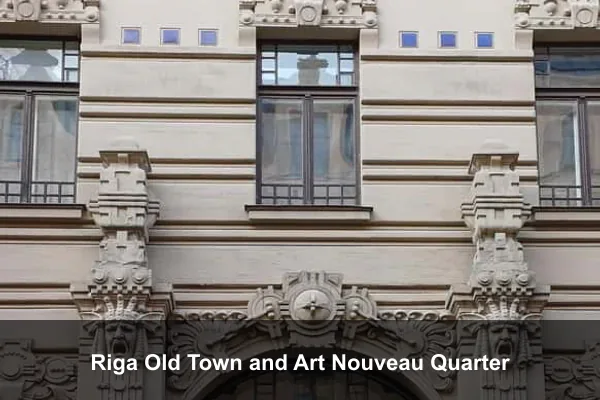
Riga Old Town and the nearby Art Nouveau Quarter make an ideal first stop in Latvia, especially for first-time visitors who love architecture walks and cafe-hopping. Start in Vecriga’s medieval lanes and church squares, then stroll to Alberta iela for one of Europe’s richest collections of ornate Art Nouveau facades, galleries, and elegant stairwells. For the best city panorama, go to St. Peter’s Church tower right at opening time, when skyline views are clearest and crowds are lighter. The area is in central Riga and easy to reach from Riga Airport in about 20-30 minutes by bus 22 or taxi. Visit from May to September for long days, or in December for festive holiday markets.
| Best for | First-time visitors, architecture walks, cafe-hopping |
|---|---|
| Location | Central Riga, around Vecriga and Alberta iela |
| Best time | May-September; December for holiday markets |
| Access | 20-30 min by bus 22 or taxi from Riga Airport |
Additional Info: Visit St. Peter's Church tower at opening time for clearer skyline views and fewer crowds.
Jurmala (Majori and Dzintari Beach)
Jurmala, about 25 km west of Riga, is Latvia’s easiest coastal escape, where Majori and Dzintari Beach pair wide pine-fringed sand with elegant wooden villas and a classic Baltic spa atmosphere. Come for beach days, wellness breaks, and long strolls along the seaside promenade, then dip into local spa treatments or relax at cafes near the shore. For swimming, visit in June to August, while May and September are ideal for quieter walks and cooler sea air. The most practical route is a 30-minute train from Riga Central to either Majori or Dzintari, and it is smart to start beach time earlier in the day, since sea breezes usually pick up by late afternoon.
| Best for | Beach days, wellness breaks, seaside promenades |
|---|---|
| Location | Jurmala, 25 km west of Riga |
| Best time | June-August for swimming; May/September for quieter walks |
| Access | 30 min train from Riga Central to Majori or Dzintari |
Additional Info: Plan beach time earlier in the day, as sea breezes usually strengthen by late afternoon.
Great Kemeri Bog Boardwalk, Kemeri National Park
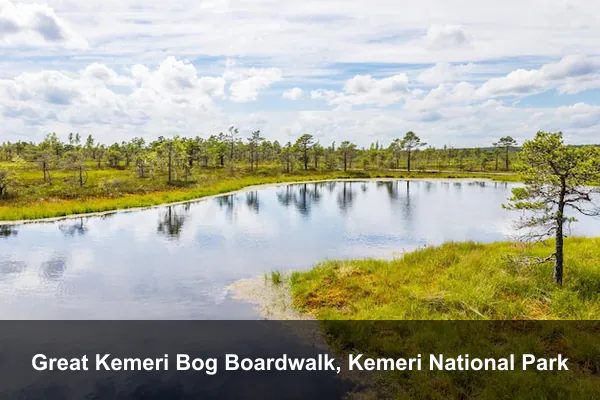
Great Kemeri Bog Boardwalk in the Kemeri area of western Kemeri National Park offers one of Latvia’s most atmospheric easy walks: a loop over open bog pools, dwarf pines, and rich bird habitat. Come at sunrise between April and October for the best light, when mist rises off the water and the landscape is ideal for photography and birdwatching. Spend an unhurried hour on the trail, stopping at viewpoints for wide wetland panoramas and early-morning birdsong. The simplest route is train to Kemeri, then a 10-15 minute taxi to the trailhead. Bring mosquito repellent and wear closed shoes, especially after rain when boardwalk edges can get slick.
| Best for | Sunrise walks, photography, birdwatching |
|---|---|
| Location | Kemeri area, western Kemeri National Park |
| Best time | Sunrise in April-October |
| Access | Train to Kemeri plus 10-15 min taxi to trailhead |
Additional Info: Bring mosquito repellent and closed shoes, especially after rain when boardwalk edges get slick.
Sigulda and Turaida Museum Reserve (Gauja National Park)
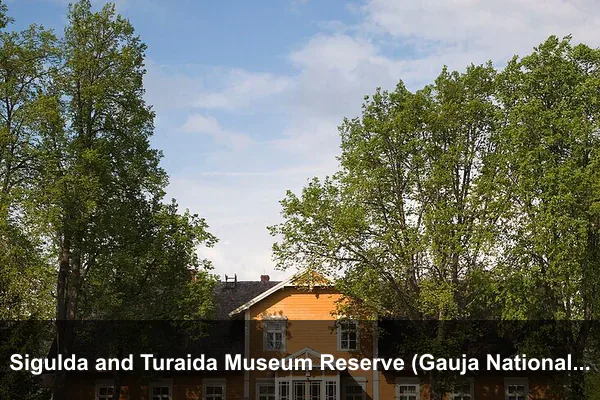
Set in Sigulda and Turaida in the Vidzeme region, Gauja National Park is Latvia’s top spot for combining castle history with wide valley viewpoints. Spend a day touring Sigulda Medieval Castle and the Turaida Museum Reserve, then follow forest trails or tackle active outings like cycling and cable-car rides above the Gauja River. It is best for castle tours, scenic overlooks, and easy active day trips, with the most vivid scenery in September-October when foliage turns gold, while May-June offers cooler weather for longer hikes. From Riga, you can reach Sigulda in about 1 hour 10 minutes by train or bus. On peak-season weekends, book popular activities early, as midday lines grow quickly.
| Best for | Castle tours, scenic overlooks, active day trips |
|---|---|
| Location | Sigulda and Turaida, Vidzeme |
| Best time | September-October for foliage; May-June for hiking |
| Access | About 1 hr 10 min by train or bus from Riga |
Additional Info: Book popular weekend activities early, since midday queues build fast in peak season.
Cesis Old Town and Cesis Medieval Castle
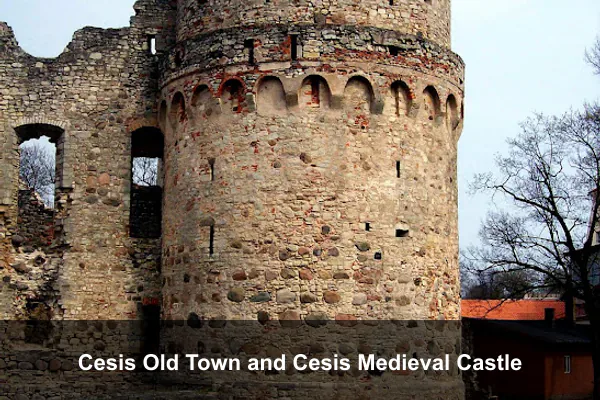
Cesis Old Town and the adjacent Cesis Medieval Castle are ideal for travelers seeking historic ambiance, local dining, and relaxed overnights in Vidzeme without Riga-level crowds. Wander cobbled lanes, browse small galleries, and settle into cozy restaurants where Latvian seasonal menus and craft drinks anchor the town’s culture scene. At the castle complex, join daytime museum exhibits, then check for evening candle-lit castle routes for a memorable hands-on history experience. Plan your visit from May to September, and note that Cesis is an easy base, about 1 hour 45 minutes by train from Riga.
| Best for | Historic ambiance, local dining, relaxed overnights |
|---|---|
| Location | Cesis, Vidzeme |
| Best time | May-September |
| Access | Around 1 hr 45 min by train from Riga |
Additional Info: Check for evening candle-lit castle routes, which add a memorable hands-on history element.
Rundale Palace and French Garden
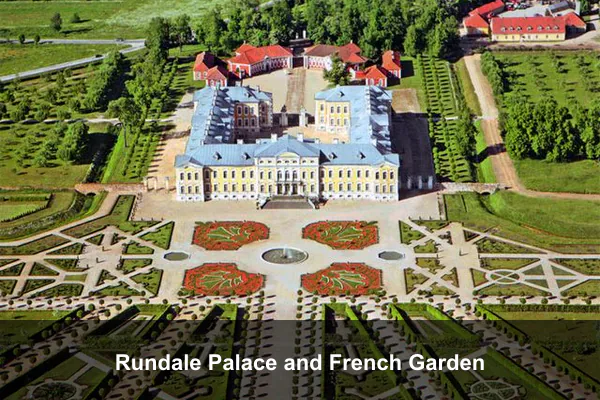
Rundale Palace and French Garden in Pilsrundale, Zemgale, is Latvia’s grandest Baroque complex, perfect for travelers who love palace architecture, formal gardens, and half-day heritage trips. Explore restored ceremonial rooms and private apartments across both palace wings, then stroll the geometric parterres of the French Garden, at its best in June and July during peak rose bloom. Allow at least three hours to cover the interiors and grounds without rushing. The easiest route is bus from Riga to Bauska, then a local bus or short taxi ride to the palace.
| Best for | Palace architecture, gardens, half-day heritage trips |
|---|---|
| Location | Pilsrundale, Zemgale |
| Best time | June-July for peak rose bloom |
| Access | Bus from Riga to Bauska, then local bus or taxi |
Additional Info: Allow at least three hours to cover both palace wings and gardens without rushing.
Kuldiga Old Town and Ventas Rumba
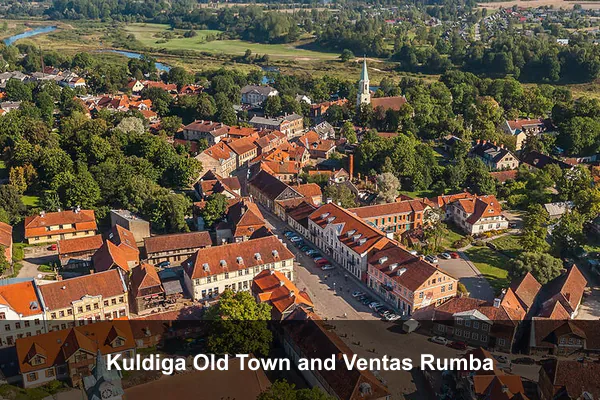
Kuldiga Old Town in Kurzeme is one of Latvia’s most romantic stops, where red-roof lanes, wooden facades, and riverside paths lead to Ventas Rumba, Europe’s widest waterfall. Visit for small-town charm, easy river walks, and some of the country’s most photogenic streets. In April and May, fish leap upstream at the rapid, and the old brick bridge near dusk is the best viewpoint for this spectacle; in summer, cafe terraces fill with locals and travelers lingering over long evenings. From Riga, Kuldiga is straightforward to reach in about 2 hr 30 min by bus, making it an ideal day trip or a slow overnight escape.
| Best for | Small-town charm, river walks, photogenic streets |
|---|---|
| Location | Kuldiga, Kurzeme |
| Best time | April-May for fish jumping; summer for cafe terraces |
| Access | About 2 hr 30 min by bus from Riga |
Additional Info: Walk the old brick bridge near dusk for the best chance to spot fish leaping at the rapid.
Liepaja Karosta and Northern Forts
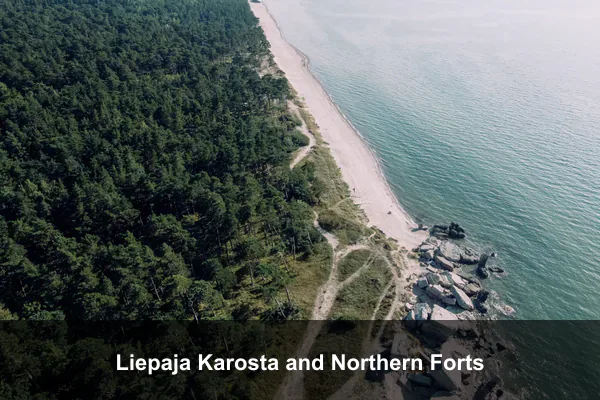
Liepaja’s Karosta district and Northern Forts are among Latvia’s most atmospheric coastal sites, where Tsarist and Soviet military history meets a raw Baltic shoreline. Come for bunker remains, crumbling sea forts, prison tours, and long walks along wind-beaten beaches that are perfect for moody photography. This area is best for military history lovers, coastal-ruin explorers, and anyone chasing dramatic seascapes; May to September offers the most comfortable conditions, though even in midsummer the wind can feel cold, so pack a light windproof layer. From Riga, plan about 3 to 3.5 hours by bus or train to Liepaja, then continue by local bus into Karosta.
| Best for | Military history, coastal ruins, moody photography |
|---|---|
| Location | Karosta district, Liepaja |
| Best time | May-September |
| Access | 3-3.5 hr bus or train from Riga, then local bus |
Additional Info: Even in midsummer, coastal wind can feel cold, so pack a light windproof layer.
Cape Kolka and Slitere National Park Coast
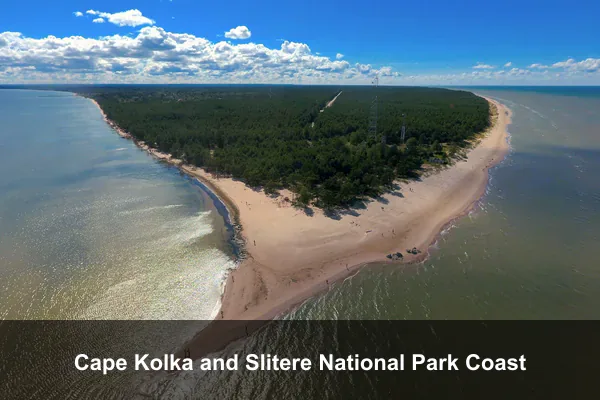
Cape Kolka and the Slitere National Park coast in Kurzeme is one of Latvia’s wildest escapes, where the Gulf of Riga and Baltic Sea meet in shifting currents, windswept beaches, and pine forests. Come for remote nature, lighthouse views, and exceptional bird migration watching, especially in May and September, then return in July and August for the best beach weather and quiet swims. Walk coastal trails, scan migration routes from dune viewpoints, and enjoy uncrowded shoreline stretches far from city crowds. Access is easiest by rental car, as regional buses are limited, and you should bring water and snacks since services are sparse outside peak summer weekends.
| Best for | Remote nature, bird migration, uncrowded beaches |
|---|---|
| Location | Kolka area, Slitere National Park, Kurzeme |
| Best time | May and September for birds; July-August for beach weather |
| Access | Best by rental car; limited regional buses |
Additional Info: Bring water and snacks before arrival, as services are sparse outside peak summer weekends.
Daugavpils Fortress and Mark Rothko Art Centre
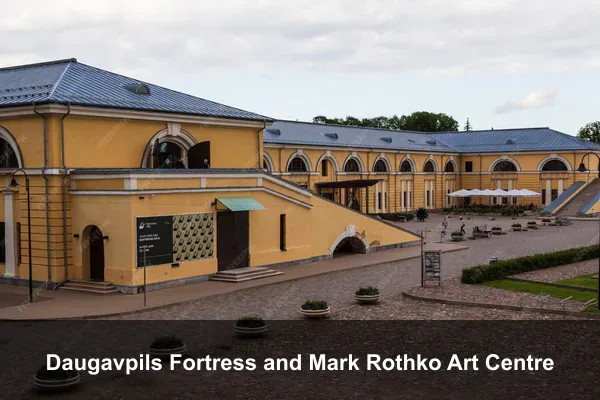
For a different side of Latvia beyond Riga, head to Daugavpils in Latgale, where the vast 19th-century Daugavpils Fortress meets the Mark Rothko Art Centre’s bold contemporary programming. Culture travelers and modern art fans can explore preserved bastions and barracks, then move into galleries featuring Rothko originals, regional artists, and rotating international shows. The contrast between military architecture and modern art makes this one of eastern Latvia’s most rewarding regional experiences. It works year-round, with winter offering quieter streets and fewer museum crowds. Practical tip: Daugavpils is easy to reach in about 3 hours by train from Riga, and you should check the Rothko Centre’s temporary exhibition calendar before you go.
| Best for | Culture travelers, modern art fans, regional contrasts |
|---|---|
| Location | Daugavpils, Latgale |
| Best time | Year-round; winter for fewer crowds |
| Access | Around 3 hr by train from Riga |
Additional Info: Check the Rothko Centre’s temporary exhibition calendar in advance because standout shows rotate.
Tips Before You Go
Public transport is reliable on major routes, but a rental car saves significant time for Cape Kolka, Slitere, and smaller countryside stops. Book train and intercity bus tickets early for summer weekends, and keep some cash for rural kiosks, parking, or seasonal vendors.
Pack layers in every season because Baltic weather changes quickly, especially on the coast and bog boardwalks. June and July offer long daylight for multi-stop days, while spring and early autumn usually mean fewer crowds and better accommodation value.
