
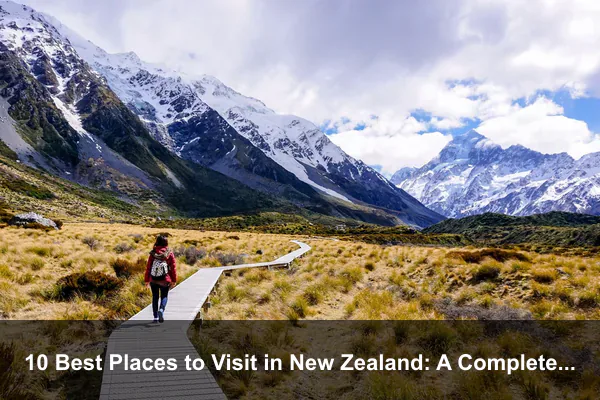
New Zealand packs glaciers, geothermal parks, Maori culture, beaches, and world-class hikes into a compact country, but travel times and fast-changing weather can shape your trip more than you expect. This plan highlights 10 standout places so you can build a balanced itinerary with iconic sights, outdoor adventures, and practical stopovers.
Use these sections to map a 10-21 day route across both islands, combining domestic flights with short self-drive legs where needed. Before locking dates, check official updates from 100% Pure New Zealand, trail alerts from DOC, and road conditions on NZTA Journey Planner.
Queenstown
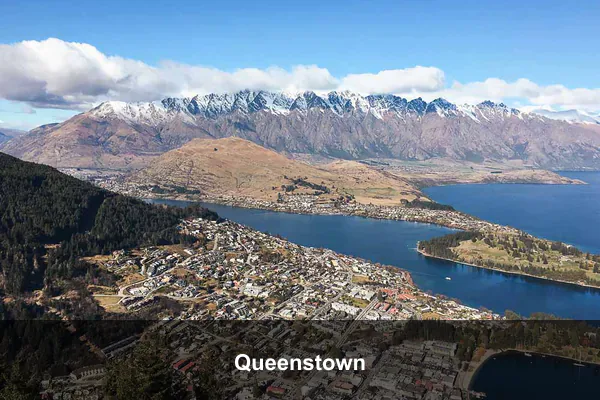
Queenstown, in Otago on New Zealand’s South Island, is the country’s adventure capital, where lake-and-mountain scenery meets great dining and year-round alpine experiences. Ride the Skyline gondola for sweeping Lake Wakatipu views, then choose your thrill: bungee jumping, jet boating, skydiving, or mountain biking; in winter, head to nearby ski fields, while Dec-Feb is best for hiking trails around Ben Lomond and beyond. It is easy to access by flying into Queenstown Airport or driving about 2h10 from Te Anau, making it a practical base for both quick escapes and longer South Island itineraries. During peak months, book signature activities and popular dinner spots at least a week ahead.
| Best for | Adventure sports, food, and year-round alpine scenery |
|---|---|
| Location | Otago, South Island |
| Best time | Dec-Feb for hiking; Jun-Sep for ski season |
| Access | Fly to Queenstown Airport or drive 2h10 from Te Anau |
Additional Info: Book signature activities and popular dinner spots at least a week ahead in peak months.
Milford Sound / Piopiotahi
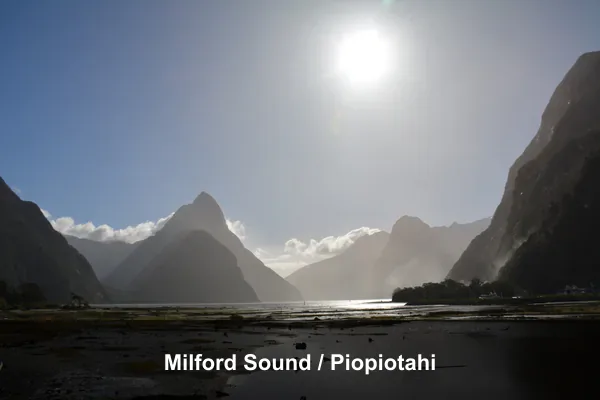
Milford Sound / Piopiotahi in Fiordland, Southland, on New Zealand’s South Island is a must for dramatic fjord scenery, with sheer cliffs, misty peaks, and waterfalls pouring into dark water. The signature experience is a scenic cruise, where you can get close to the falls and often spot dolphins and fur seals. It’s a year-round destination: November to April is generally milder, while rainy days make the waterfalls even more powerful and photogenic. Most travelers arrive by road or coach in about four hours from Queenstown, though scenic flights are also available for a faster, unforgettable approach. Start early from Te Anau or Queenstown to avoid midday traffic and parking pressure.
| Best for | Scenic cruises, waterfalls, and dolphin or seal sightings |
|---|---|
| Location | Fiordland, Southland, South Island |
| Best time | Year-round; Nov-Apr milder, rainy days boost waterfalls |
| Access | About 4h by road or coach from Queenstown; scenic flights available |
Additional Info: Start early from Te Anau or Queenstown to avoid midday traffic and parking pressure.
Aoraki / Mount Cook National Park
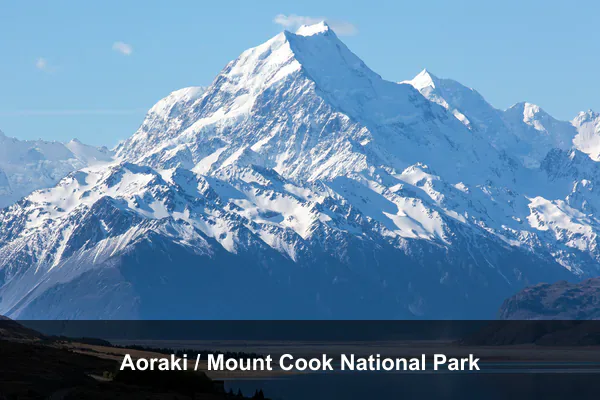
Aoraki / Mount Cook National Park in Canterbury’s Mackenzie region, South Island, is New Zealand’s top alpine escape, where jagged peaks, turquoise glacial lakes, and huge night skies come together. Visit for alpine walks, glacier viewpoints, and world-class dark-sky stargazing, with the Hooker Valley Track a favorite short hike for suspension bridges and close views of Aoraki. Plan your trip from October to April for the best trail conditions, and from December to March for alpine wildflowers. It is a scenic drive of about 4 hours 10 minutes from Christchurch via Lake Pukaki; in summer, arrive early for Hooker Valley Track because White Horse Hill car park fills quickly.
| Best for | Alpine walks, glacier views, and dark-sky stargazing |
|---|---|
| Location | Canterbury (Mackenzie), South Island |
| Best time | Oct-Apr for trails; Dec-Mar for alpine flowers |
| Access | Drive 4h10 from Christchurch via Lake Pukaki |
Additional Info: Arrive early for Hooker Valley Track because White Horse Hill car park fills quickly in summer.
Rotorua
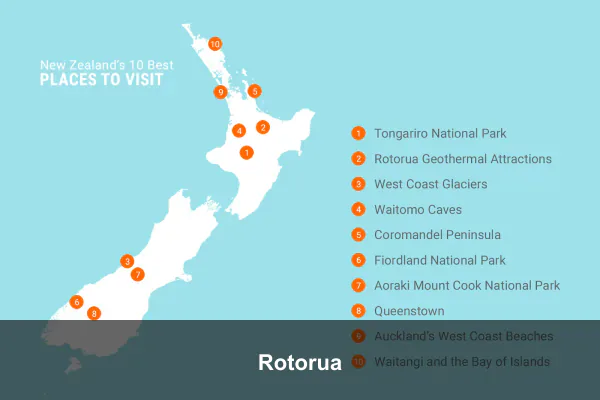
Rotorua, in the Bay of Plenty on New Zealand’s North Island, is one of the country’s best bases for geothermal parks, Maori culture, and forest adventures. Spend the day exploring steaming valleys, bubbling mud pools, and famous geysers at places like Te Puia or Wai-O-Tapu, then switch pace with redwood walks or mountain biking in Whakarewarewa Forest. For the most memorable experience, pre-book an evening hangi and cultural performance, where traditional food, storytelling, and haka bring local heritage to life. Visit between September and April for warmer weather and evening shows, and plan easy access via a short domestic flight or about a 3-hour drive from Auckland.
| Best for | Geothermal parks, Maori culture, and forest adventures |
|---|---|
| Location | Bay of Plenty, North Island |
| Best time | Sep-Apr for warm weather and evening cultural shows |
| Access | Around 3h drive from Auckland or short domestic flight |
Additional Info: Pair daytime geothermal sightseeing with a pre-booked evening hangi and cultural performance.
Tongariro Alpine Crossing

Tongariro Alpine Crossing in Tongariro National Park is New Zealand’s most iconic day hike, taking you through dramatic volcanic landscapes with steaming vents, crater rims, and the striking Emerald Lakes. This challenging one-way trek is best for travelers who want a full day of serious walking and unforgettable alpine views in the central North Island. Visit between November and April for standard crossing conditions; in winter, go only with proper alpine skills or a qualified guide. Since the start and finish points are different, reserve your shuttle first and then set your start time. Regular shuttle services operate from Turangi, Taupo, and Whakapapa.
| Best for | Iconic day hiking and volcanic landscapes |
|---|---|
| Location | Tongariro National Park, central North Island |
| Best time | Nov-Apr for standard crossing; winter requires alpine skills or guides |
| Access | Shuttle services from Turangi, Taupo, and Whakapapa; one-way route |
Additional Info: Reserve your shuttle first, then set your start time because finish and start points are different.
Abel Tasman National Park
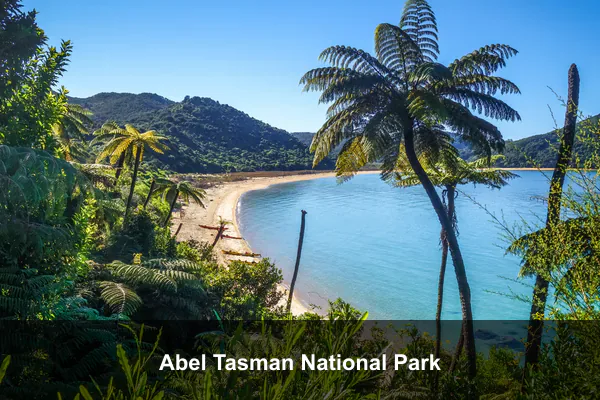
Abel Tasman National Park, in the Nelson/Tasman region on the northwest South Island, is New Zealand’s coastal playground, famous for golden beaches, clear turquoise bays, and easy links between trail and sea. It is best for coastal hiking, sea kayaking, and beach-hopping: paddle into sheltered coves, then walk scenic sections of the Abel Tasman Coast Track through native forest and granite headlands. For the warmest water, visit from November to April, though winter is usually mild and often sunny. Access is straightforward: drive about one hour from Nelson to Marahau or Kaiteriteri, then use a water taxi or kayak launch; many travelers take water taxis to walk one-way sections and see more coastline without backtracking.
| Best for | Coastal hiking, sea kayaking, and beach-hopping |
|---|---|
| Location | Nelson/Tasman, northwest South Island |
| Best time | Nov-Apr for warm water; winter is mild and often sunny |
| Access | Drive about 1h from Nelson to Marahau/Kaiteriteri, then water taxi or kayak |
Additional Info: Use water taxis to walk one-way sections so you can see more coastline without backtracking.
Bay of Islands
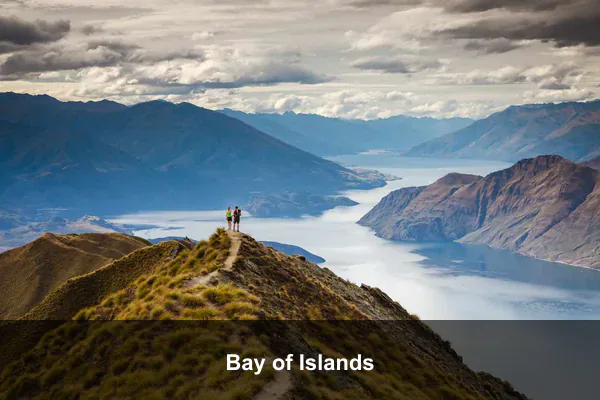
Bay of Islands in Northland on New Zealand’s North Island is a subtropical escape where clear water and living history meet: join island cruises, snorkel around sheltered coves, and visit the Waitangi Treaty Grounds to understand the nation’s founding story. Base yourself in Paihia for the easiest access to ferries, marine tours, and day trips across the islands. For warmer seas and the best snorkeling conditions, plan your trip between December and April; if you prefer fewer crowds, the shoulder seasons are quieter while still pleasant. Getting here is straightforward, with a scenic 3h50 drive from Auckland or a short 50-minute flight to Kerikeri.
| Best for | Island cruises, snorkeling, and Waitangi history |
|---|---|
| Location | Northland, North Island |
| Best time | Dec-Apr for warmer seas; shoulder seasons are quieter |
| Access | Drive 3h50 from Auckland or fly about 50m to Kerikeri |
Additional Info: Stay in Paihia for the easiest access to ferries, marine tours, and day trips.
Franz Josef Glacier
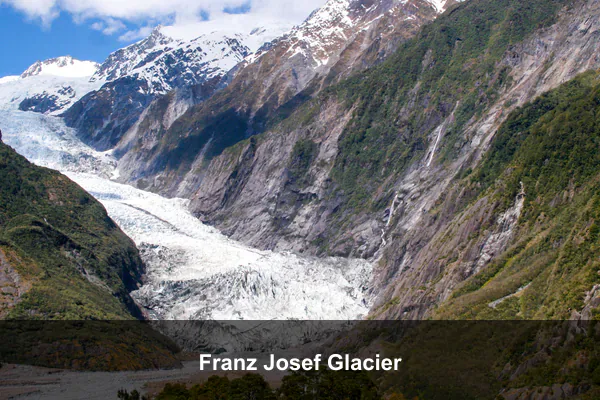
Franz Josef Glacier on the West Coast of New Zealand’s South Island is one of the rare places where glacier ice, lush rainforest, and wild Tasman Sea scenery meet near sea level. It’s best for heli-hikes, glacier viewpoints, and dramatic West Coast landscapes; if landing on the ice is a priority, keep one flexible day because helicopter departures are weather dependent. Visit from December to March for longer daylight and easier touring, or from May to September for fewer crowds. The glacier township is reached by road in about 4h30 from Queenstown or 1h45 from Hokitika, making it a rewarding stop on a South Island road trip.
| Best for | Heli-hikes, glacier viewpoints, and West Coast scenery |
|---|---|
| Location | West Coast, South Island |
| Best time | Dec-Mar for longer daylight; May-Sep for fewer crowds |
| Access | Drive 4h30 from Queenstown or 1h45 from Hokitika |
Additional Info: Keep one flexible day in your itinerary since helicopter departures are weather dependent.
Waiheke Island

Waiheke Island, in Auckland’s Hauraki Gulf on the North Island, is one of New Zealand’s easiest escapes, ideal for wine tasting, boutique food stops, and relaxed beach day trips. Spend the day moving between cellar doors, olive groves, and seaside villages, then walk scenic coastal tracks to quiet coves for swimming or sunset views. The island is best visited from November to April, when vineyard visits and beach weather are at their peak. Getting there is simple: regular ferries take about 40-45 minutes from downtown Auckland, and on busy weekends a ferry plus hop-on bus pass is usually easier than bringing a car.
| Best for | Wine tasting, boutique food, and beach day trips |
|---|---|
| Location | Hauraki Gulf, Auckland, North Island |
| Best time | Nov-Apr for vineyard and beach weather |
| Access | Regular 40-45 minute ferry from downtown Auckland |
Additional Info: A ferry plus hop-on bus pass is usually easier than bringing a car on busy weekends.
Lake Tekapo / Takapo
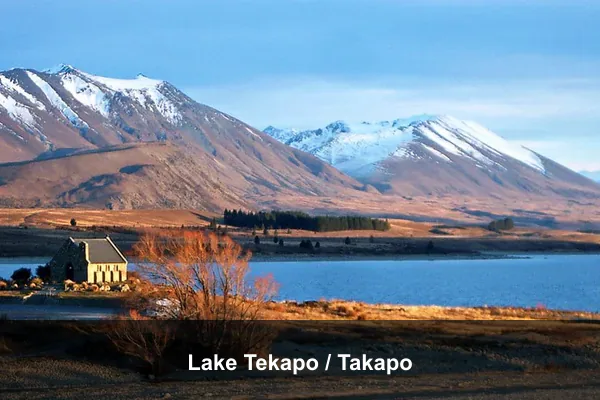
Lake Tekapo (Takapo), in the Mackenzie Basin of Canterbury on the South Island, is a standout high-country destination for dark-sky stargazing, vivid lake views, and iconic alpine scenery. Visit from March to November for the best dark skies and astronomy experiences, or come in December to February for wildflowers and classic scenic road-trip conditions. Spend the day along the lakefront, photographing the Church of the Good Shepherd, and driving nearby mountain routes, then join a night tour under some of New Zealand’s clearest stars. The area is easy to access by road, about 3 hours from Christchurch or 1 hour 15 minutes from Mount Cook village, and a warm outer layer is essential because temperatures fall quickly after sunset.
| Best for | Dark-sky stargazing, lake views, and scenic drives |
|---|---|
| Location | Mackenzie Basin, Canterbury, South Island |
| Best time | Mar-Nov for dark skies; Dec-Feb for wildflowers and road trips |
| Access | Drive 3h from Christchurch or 1h15 from Mount Cook village |
Additional Info: Pack a warm outer layer for night tours because temperatures drop quickly after sunset.
Tips Before You Go
Book key experiences early for December to February and holiday periods, especially Milford Sound cruises, Tongariro Alpine Crossing shuttles, and national park stays. If you are driving, plan conservative day distances because mountain roads, photo stops, and single-lane bridges make journeys slower than they look on a map.
Pack layers in every season, set one weather buffer day, and keep backup indoor options in major hubs. Check DOC track notices and NZTA road updates the night before each long travel day, and pre-download offline maps in case mobile coverage drops.
