
Mexico rewards travelers who plan beyond a single beach base: the country combines ancient cities, highland food capitals, desert-and-sea wildlife, colonial architecture, and some of North America’s most dramatic rail scenery.
This plan keeps every stop inside Mexico and balances famous highlights with regionally distinct experiences, so the final article can help readers choose where to go based on time, season, access, and travel style.
Mexico City Historic Center and National Museum of Anthropology

Mexico City is the ideal cultural gateway for first-time visitors, pairing the grand colonial plazas and murals of the Historic Center with the world-class National Museum of Anthropology. Spend the day exploring Zocalo, Palacio de Bellas Artes, nearby markets, and street-food stops, then set aside several focused hours for the museum’s Aztec, Maya, and regional collections. Visit from October to April for milder weather, and choose weekdays for calmer streets and shorter lines. Fly into MEX or NLU, then use the Metro, Metrobus, or rideshare to move around efficiently. Since many major museums close on Mondays, plan the Anthropology Museum for Tuesday through Sunday.
| Best for | First-time visitors, museums, street food |
|---|---|
| Location | Mexico City, central Mexico |
| Best time | October-April; weekdays are calmer |
| Access | Fly into MEX or NLU; use Metro, Metrobus, or rideshare |
Additional Info: Many major museums close on Mondays, so schedule the Anthropology Museum for Tuesday through Sunday.
Teotihuacan Archaeological Zone
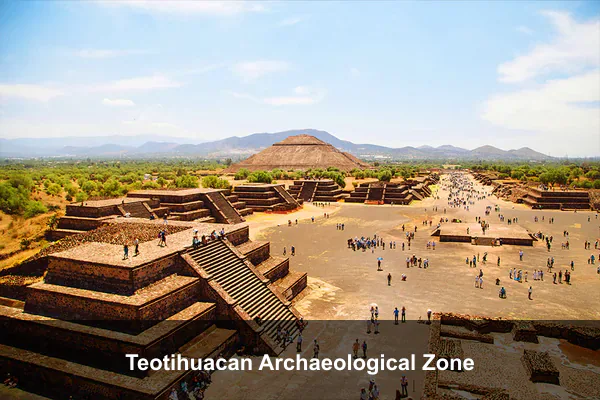
Teotihuacan is the essential ancient-city escape from Mexico City, a vast archaeological zone in the State of Mexico where the Pyramid of the Sun, Pyramid of the Moon, and Avenue of the Dead give a powerful sense of scale and mystery. It is best for pyramids, history, and sunrise starts, especially from November to April when mornings are cooler and clearer. Go early, bring water and a hat, and expect limited shade as you walk the long ceremonial avenue. Independent travelers can take a bus from Terminal del Norte, while guided day tours make the history easier to unpack.
| Best for | Pyramids, history, sunrise starts |
|---|---|
| Location | State of Mexico, northeast of Mexico City |
| Best time | November-April; early morning |
| Access | Bus from Terminal del Norte or guided day tour |
Additional Info: Enter early with water and a hat because shade is limited across the Avenue of the Dead.
Oaxaca City and Monte Alban

Oaxaca City packs food, culture, ruins, and artisan towns into one of southern Mexico’s most rewarding bases. Start in its lively markets for mole, tlayudas, chocolate, and mezcal, then climb to Monte Alban for sweeping valley views and Zapotec history. The city is compact, but do not rush only the center: plan a full valley day for Tlacolula’s market, Teotitlan del Valle’s weaving workshops, and a mezcal palenque. Visit from October to March for pleasant weather, or in July for Guelaguetza. Fly into OAX; taxis and guided tours make Monte Alban easy to reach.
| Best for | Food, culture, ruins, artisan towns |
|---|---|
| Location | Oaxaca, southern Mexico |
| Best time | October-March; July for Guelaguetza |
| Access | Fly to OAX; taxis and tours reach Monte Alban |
Additional Info: Plan a full valley day for Tlacolula, Teotitlan del Valle, and a mezcal palenque instead of rushing only the city center.
Chichen Itza and Valladolid
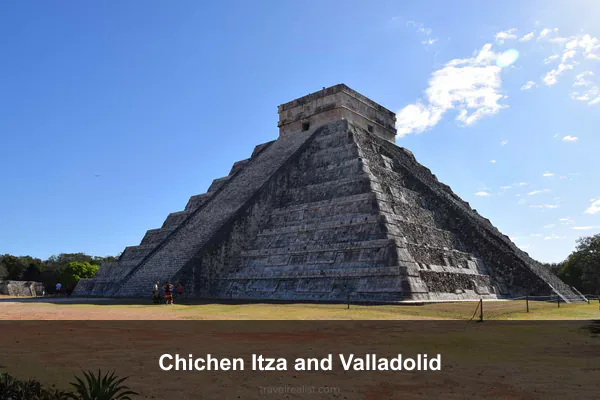
Chichen Itza is Mexico’s most famous Maya site, where El Castillo, the ball court, and carved temples make an essential stop for history-focused Yucatan routes. Pair it with Valladolid, a colorful, walkable colonial town close enough for an early start, plus easy detours to cenotes after the ruins. The best time to visit is November to March, and arriving at opening makes a real difference. Sleeping in Valladolid helps you reach the gates before most Cancun and Riviera Maya tour buses, though Chichen Itza also works as a day trip from Merida, Cancun, or Valladolid.
| Best for | Maya history, cenotes, classic Yucatan routes |
|---|---|
| Location | Yucatan, near Valladolid |
| Best time | November-March; arrive at opening |
| Access | Day trip from Merida, Cancun, or Valladolid |
Additional Info: Sleeping in Valladolid lets travelers reach the ruins before most Cancun and Riviera Maya tour buses.
Tulum Ruins and Sian Ka'an Biosphere Reserve

Tulum pairs one of Mexico’s most dramatic coastal ruin sites with the wild lagoons, wetlands, beaches, and birdlife of Sian Ka’an Biosphere Reserve. Visit the clifftop Maya ruins early, then continue into protected nature by driving from Tulum to Muyil or joining a tour toward Punta Allen. For a shorter, lower-effort Sian Ka’an experience, choose the Muyil lagoon boat route, which avoids the rough coastal road while still offering clear water, mangroves, and wildlife viewing. November to April brings the most comfortable weather, but plan around peak midday heat.
| Best for | Coastal ruins, lagoons, wildlife, beaches |
|---|---|
| Location | Quintana Roo, Caribbean coast |
| Best time | November-April; avoid peak midday heat |
| Access | Drive from Tulum; tours via Muyil or Punta Allen |
Additional Info: Choose a Muyil lagoon boat route when you want a shorter Sian Ka'an visit without the rough road to Punta Allen.
Palenque Archaeological Zone
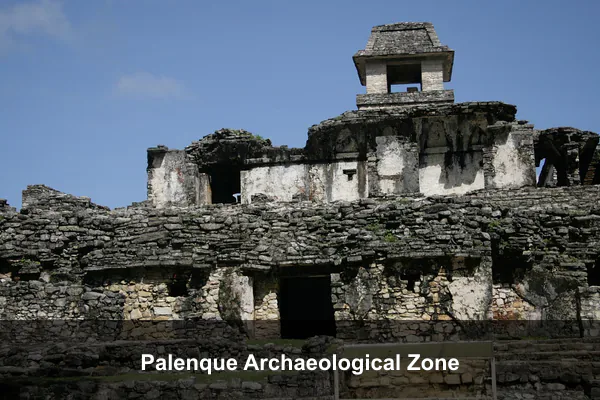
Palenque Archaeological Zone is the ideal jungle ruin stop in Chiapas for travelers who want Maya temples wrapped in rainforest atmosphere. Wander among carved palaces, steep pyramids, and shaded paths where forest sounds make the site feel alive, with plenty of striking photography angles. Stay near the archaeological zone for an early start, when mornings are cooler, the paths are quieter, and the jungle is at its most atmospheric. The best season is November-April, and most visitors arrive by road transfer from Villahermosa or San Cristobal to nearby Palenque town.
| Best for | Maya temples, jungle scenery, photography |
|---|---|
| Location | Chiapas, near Palenque town |
| Best time | November-April; mornings are cooler |
| Access | Road transfer from Villahermosa or San Cristobal |
Additional Info: Stay near the archaeological zone for an early start when the forest sounds are strongest and paths are quieter.
Guanajuato City Historic Center

Guanajuato City Historic Center is one of Mexico’s most atmospheric colonial stops, with colorful mining-era lanes, lively plazas, old tunnels, and steep hillside views packed into the central highlands of Guanajuato. Visit for colonial streets, viewpoints, and festivals, then wander from Plaza de la Paz to narrow callejones and café-lined squares. The best time is March-May or October-November, when walking feels comfortable. Arrive by bus or car from Leon, Queretaro, or Mexico City, but avoid depending on tunnel traffic once in town. Take the funicular to Pipila near sunset for the classic city view, then walk back down through the historic center.
| Best for | Colonial streets, viewpoints, festivals |
|---|---|
| Location | Guanajuato, central highlands |
| Best time | March-May or October-November |
| Access | Bus or car from Leon, Queretaro, or Mexico City |
Additional Info: Use the funicular to Pipila near sunset, then walk down through the center instead of relying on tunnel traffic.
Copper Canyon by El Chepe Train
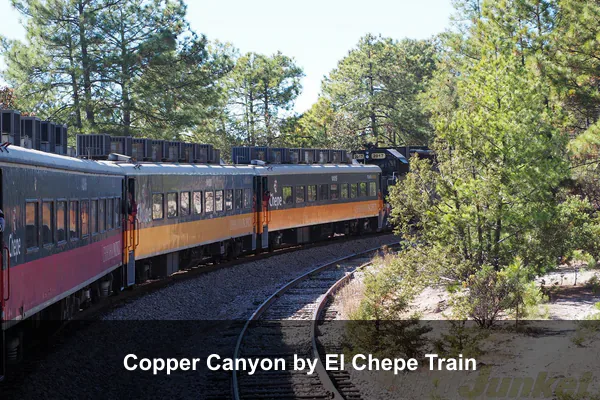
Copper Canyon is best experienced aboard El Chepe, the classic rail journey through northern Mexico’s dramatic canyon country and Raramuri mountain villages. Running across Chihuahua and Sinaloa via Los Mochis, El Fuerte, Divisadero, and Creel, the route pairs big-window scenery with stops for viewpoints, short hikes, local crafts, and cool highland air. Do not treat it as a nonstop ride: plan at least one overnight in Divisadero for canyon-edge views or Creel for easier access to valleys, waterfalls, and Raramuri communities. The most comfortable travel windows are October-November or March-May, when the weather is generally clearer and better suited to exploring between train segments.
| Best for | Rail travel, canyons, mountain villages |
|---|---|
| Location | Chihuahua and Sinaloa |
| Best time | October-November or March-May |
| Access | Chepe route via Los Mochis, El Fuerte, Divisadero, and Creel |
Additional Info: Build in at least one overnight stop at Divisadero or Creel because the best canyon views are not from a nonstop ride alone.
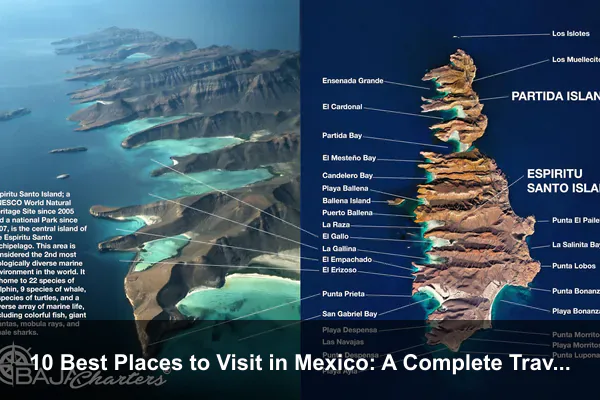
Isla Espiritu Santo from La Paz
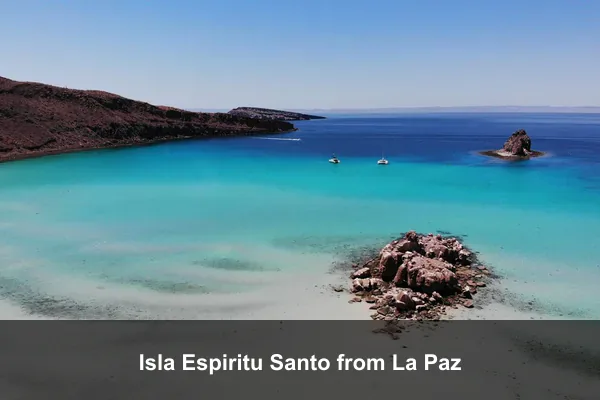
Isla Espiritu Santo is one of the best reasons to base yourself in La Paz, a quieter Baja California Sur city on the Gulf of California with easy access to clear-water beaches, kayaking coves, and rich marine life. Licensed boat tours from the La Paz malecon typically combine snorkeling with sea lions, beach stops, and time to watch for dolphins, rays, or seasonal whales. Visit from October to May for pleasant conditions, and aim for morning departures when seas are often calmer. Book with a permitted operator to protect the island’s fragile ecosystem, and bring layers because the boat ride can feel cool even when La Paz is warm.
| Best for | Snorkeling, kayaking, boat trips, wildlife |
|---|---|
| Location | Baja California Sur, Gulf of California |
| Best time | October-May; calmer morning seas |
| Access | Licensed boat tours from La Paz malecon |
Additional Info: Book with a permitted operator and bring layers, as boat rides can feel cool even when La Paz is warm.
Puerto Vallarta and Banderas Bay
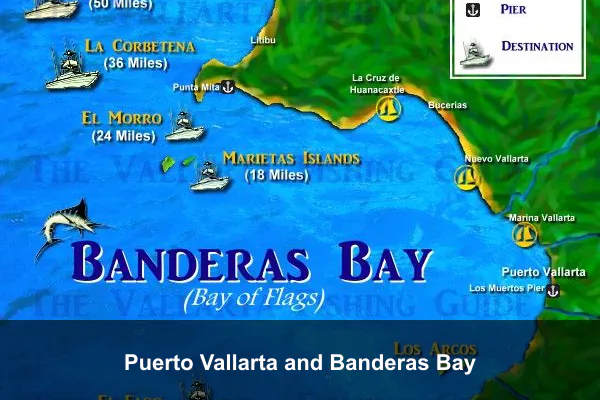
Puerto Vallarta and Banderas Bay make an easy Pacific coast pick for beach time, dining, sunsets, and boat trips along the Jalisco and Nayarit coast. Stay near walkable Zona Romantica or the Malecon for restaurants and evening strolls, then spend days on golden beaches or cruising to sheltered coves. November to April brings the driest, sunniest weather. Fly into PVR for simple access, with boats departing from Los Muertos Pier or Boca de Tomatlan; for a calmer beach day, take a water taxi from Boca to Las Animas, Quimixto, or Yelapa.
| Best for | Beach time, dining, sunsets, boat trips |
|---|---|
| Location | Jalisco and Nayarit coast |
| Best time | November-April for dry, sunny days |
| Access | Fly to PVR; boats leave from Los Muertos Pier or Boca de Tomatlan |
Additional Info: For a calmer beach day, take a water taxi from Boca de Tomatlan to Las Animas, Quimixto, or Yelapa.
Tips Before You Go
Build a Mexico itinerary by region rather than distance on a map: Mexico City pairs naturally with Teotihuacan and nearby day trips, Oaxaca deserves its own food-and-valley block, the Yucatan works best with early starts, and Baja or Copper Canyon should be planned around transport schedules.
Reserve popular ruins, rail legs, and boat tours ahead in high season; carry cash for smaller towns and archaeological zones; and check official updates such as INAH site listings, the UNESCO Mexico heritage list, Chepe train schedules, and Travel.State.gov advisories before finalizing routes.
